Karta Innovations
Operational
autonomy.
Command that
survives uncertainty.
We build navigation hardware and mission software for unmanned systems. Designed to keep vehicles oriented, missions within human-approved limits, and decisions traceable.
Talk to engineeringThe one who acts.And answers for it.
Engineered in Hyderabad, India
The Karta stack
One stack. Three responsibilities.
Position with uncertainty. Adapt decisions within approved intent. Return a record that shows why. Each layer is useful alone and stronger as part of one accountable system.
L1 / Edge layer
SkyAnchor
It knows where it is, and how sure it is.
SkyAnchor runs on the vehicle and combines onboard sensing with terrain maps to estimate position when satellite navigation is degraded. It reports both the estimate and its uncertainty, so mission software can account for how much confidence to place in the position.
Capabilities
- Visual-inertial odometry with multi-camera support
- Terrain-relative navigation against on-board map tiles
- Bounded drift on terrain-relative fix
- Bounded behaviour as confidence degrades
- Deterministic - no online learning in the flight loop
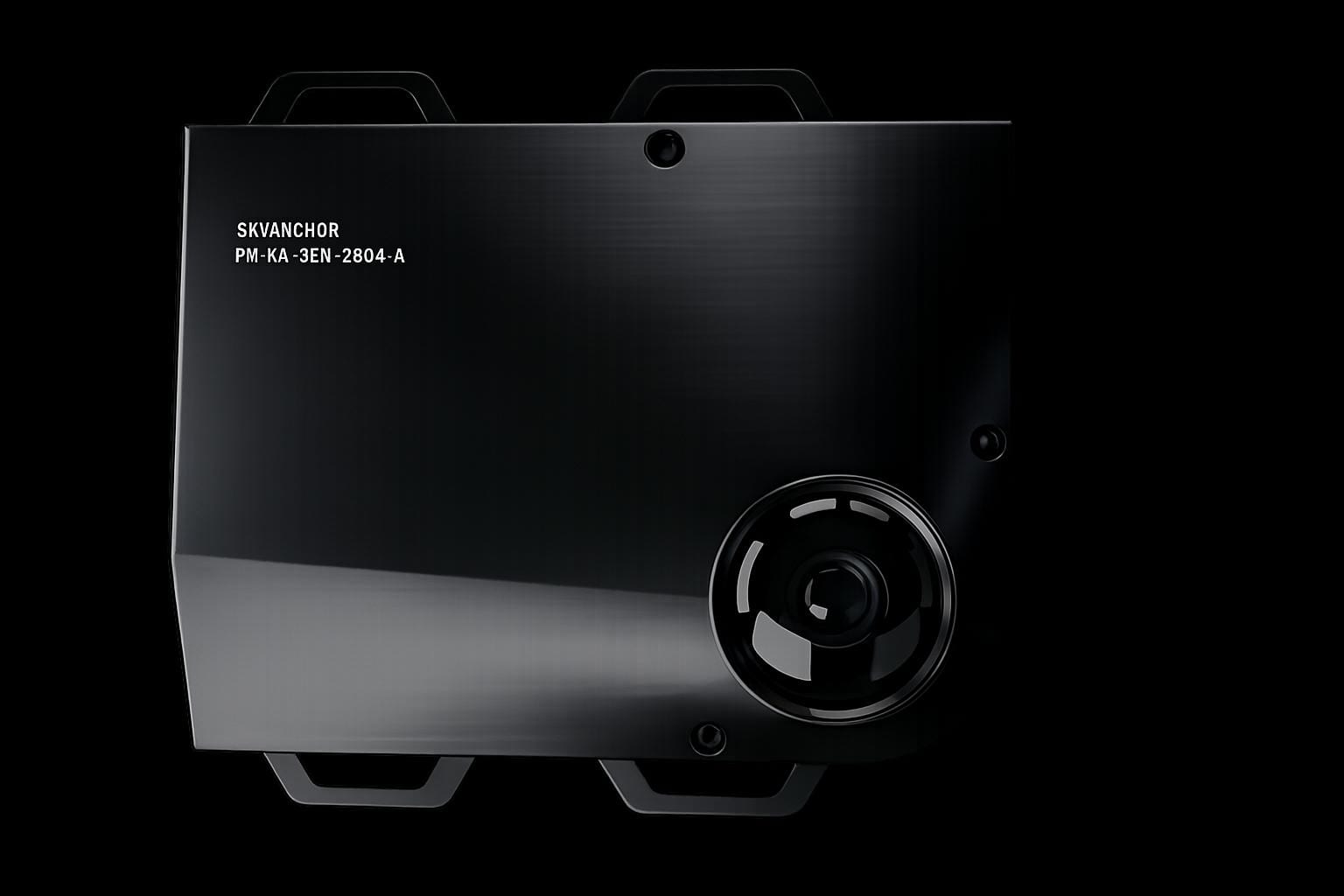
Positioning designed for GNSS denial. Terrain-relative, visual-inertial, sealed.
01L2 / Command layer
TENERE
It knows what to do next, within approved intent.
TENERE helps operators plan and coordinate missions across vehicles. Operators define goals, routes and approved limits; the planning interface helps them review plans, identify conflicts and adapt missions within those bounds.
Capabilities
- Mission graph composition with explicit bounds
- Multi-vehicle deconfliction at composition time
- After-action telemetry and decision audit
- Doctrine-aware planning surface operators can read and edit
- Designed for multi-vehicle command within approved bounds
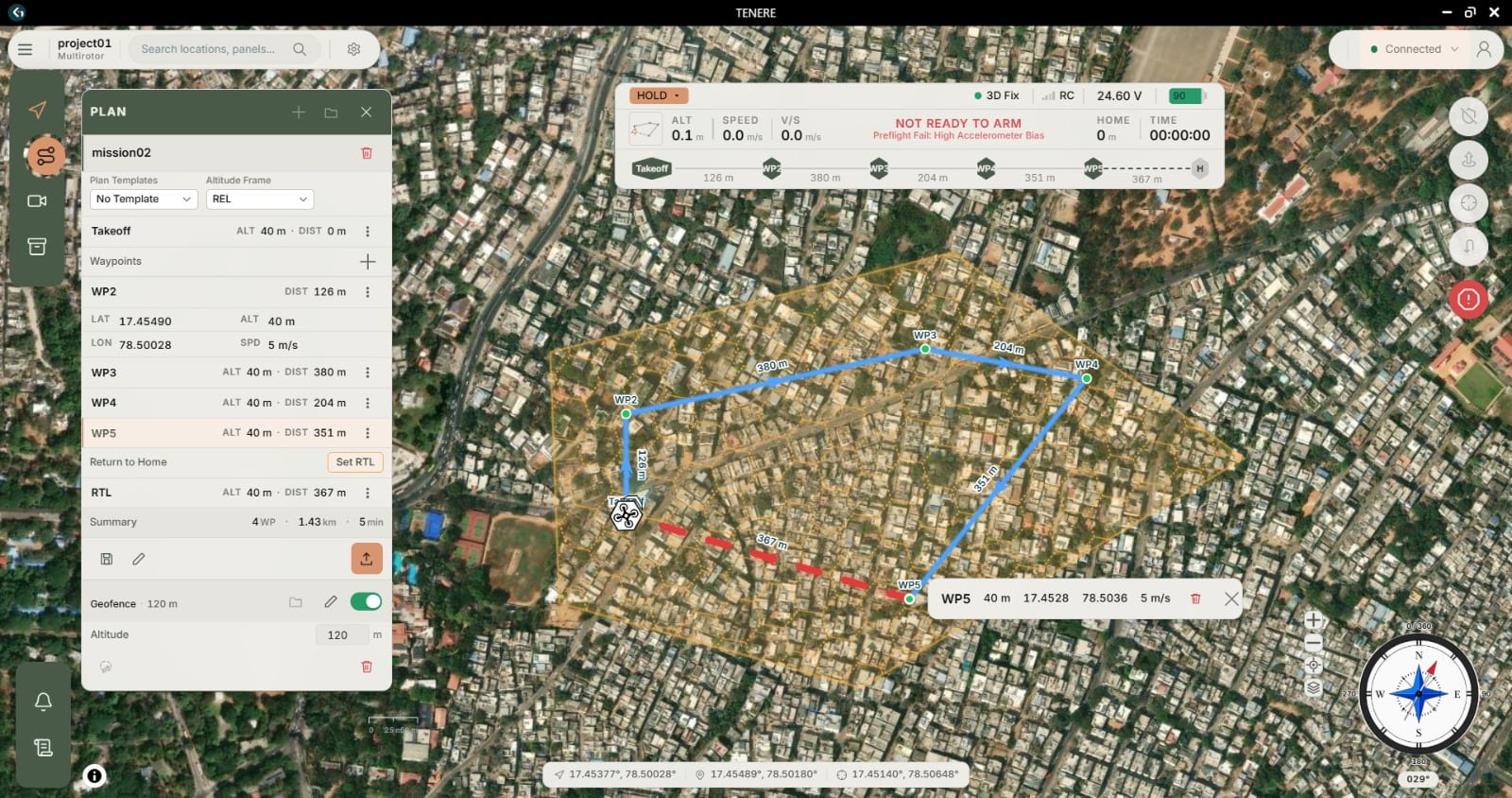
Mission composer. Prioritises the next action across vehicles.
02L3 / Theatre layer
Kiksuya
It remembers why an action was allowed.
Kiksuya connects mission plans with the rules and approvals that govern them. It is designed to show which rule authorises each planned action and retain that context alongside the mission record, so operators can review what happened and why.
Capabilities
- Doctrine encoded as versioned, signed policy
- Per-action authority audit trail
- Plan-level dry-run with explicit clause attribution
- Federated memory across echelons and bases
- Traceability designed to reach from authorization to flight record
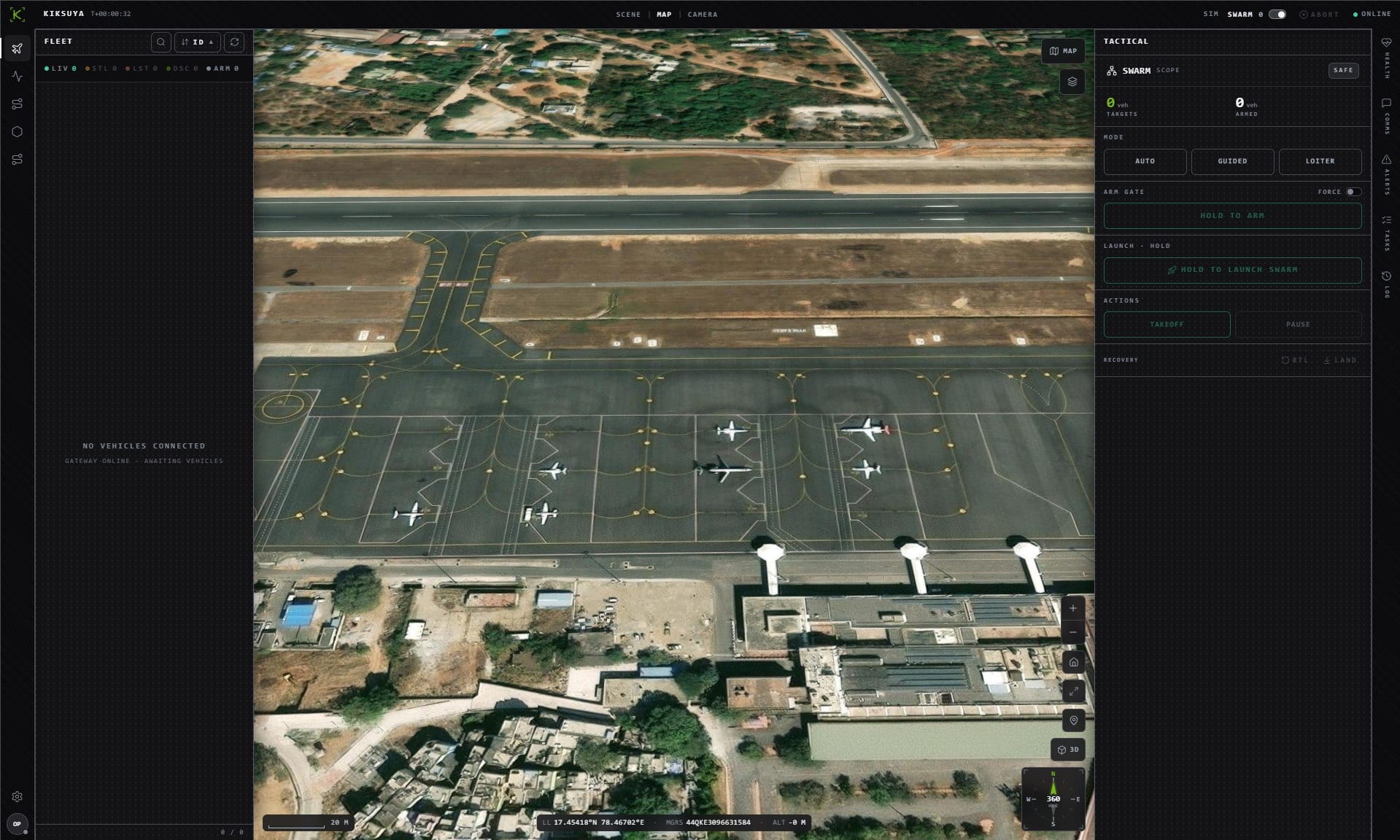
The memory layer. Doctrine, audit and cross-echelon coordination.
03Human intent. One connected stack.
An operator approves the mission and its limits. SkyAnchor estimates position. TENERE plans and adapts the mission within those limits. Kiksuya keeps the rules and decision history available for review. The operator uses that record to shape the next mission.
Operator
Approve the mission and its limits.
SkyAnchor
Estimate position and show confidence.
TENERE
Plan and adapt within approved limits.
Kiksuya
Connect decisions to their authorising rules.
The operator reviews the record before the next mission.
The loop is not closed until the record returns.
Our mission
Autonomous systems are arriving. They must be bounded.
Operators need to know where a system can act, when it must ask for approval, and how its decisions can be reviewed. Those requirements guide how we build autonomy.
Karta brings navigation, mission planning and policy into one autonomy stack. Our aim is to help operators retain control as signals, conditions and mission demands change.
Bounded autonomy
Autonomous behaviour is designed around operator-approved rules and limits. Uncertainty and restricted actions should be visible to the operator.
Integration discipline
Hardware, software, operating rules and maintenance are designed together for the conditions in which the system will operate.
Audit by design
Decisions and their authorising rules are designed to be reviewable together, so operators can trace what happened and why.
Allied-export discipline
Engineered for the doctrines we ship under, with export pathways consistent with allied use only.

Hyderabad, India
Built close
to the work.
Engineered, integrated and flown from Hyderabad. The team that builds the code is the team that deploys it, close to the aerospace, semiconductor and defence-software expertise we draw from, and to the fields where our systems will operate.
Build it with usStart a conversation
Your next mission.
Our shared work.
Talk through your operating environment with the engineers building the system.
Talk to engineering Read our field notes